
Blogs & News
-
Hommer Zhao
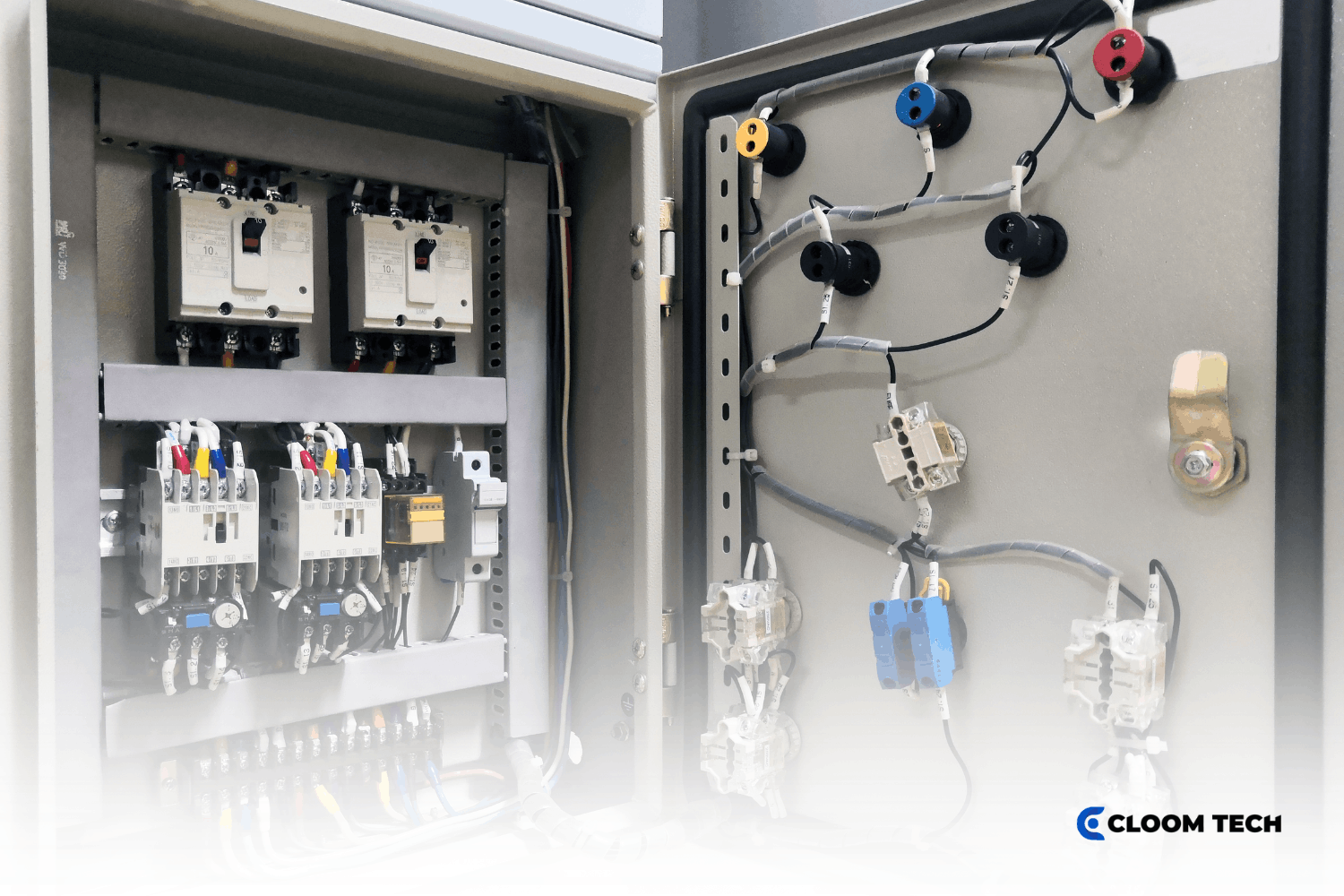
Standard industrial control panels offer lower cost and fast deployment for simple, predictable systems, while custom panels provide flexibility, scalability, and better integration for complex applications. Choosing depends on process needs, compliance, growth, and downtime risk.
-
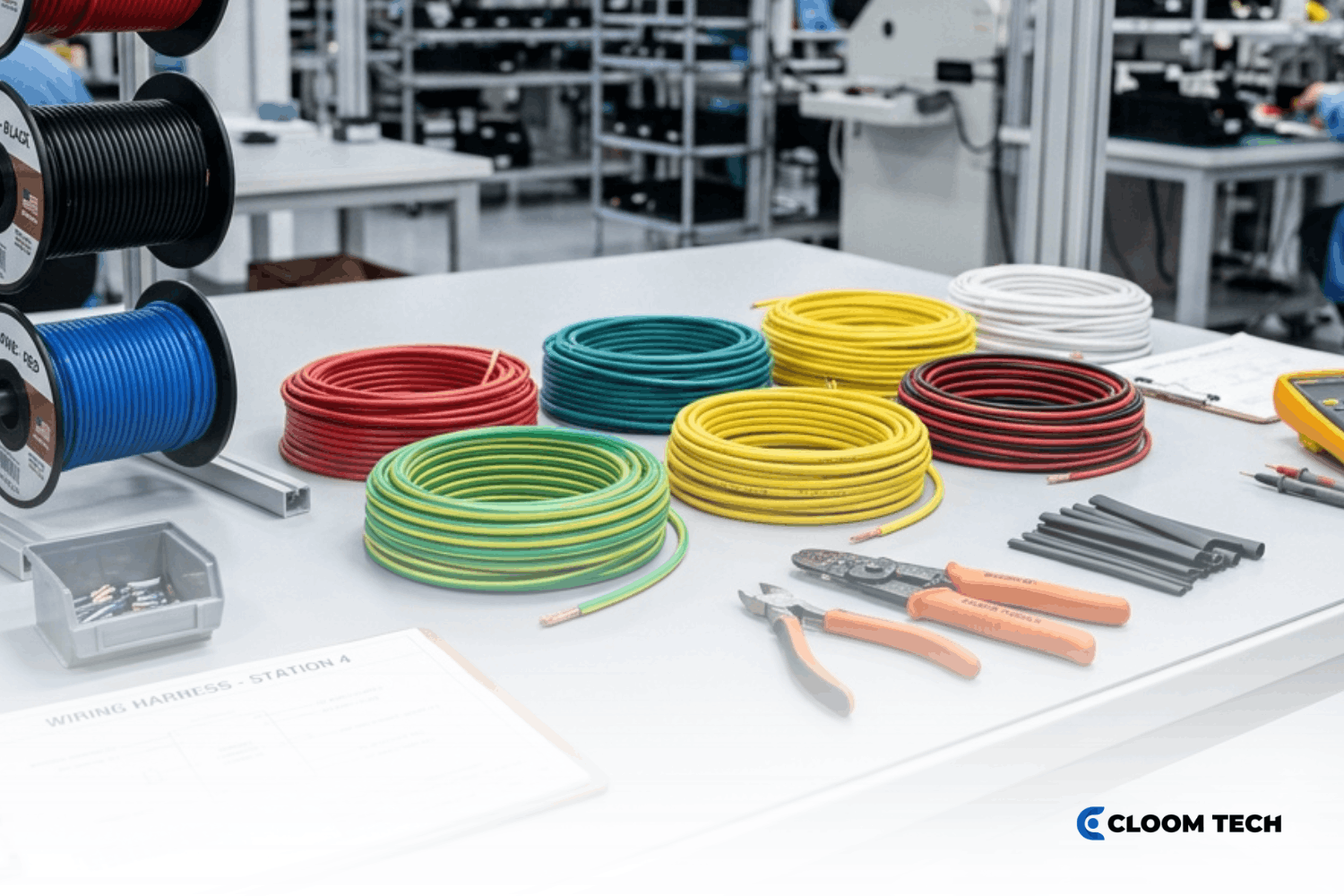
6 AWG wire typically carries 55–75A for copper and 40–55A for aluminum, depending on insulation and installation conditions. Factors like heat, conduit fill, and run length can reduce capacity, making proper breaker sizing and wire selection critical.
-
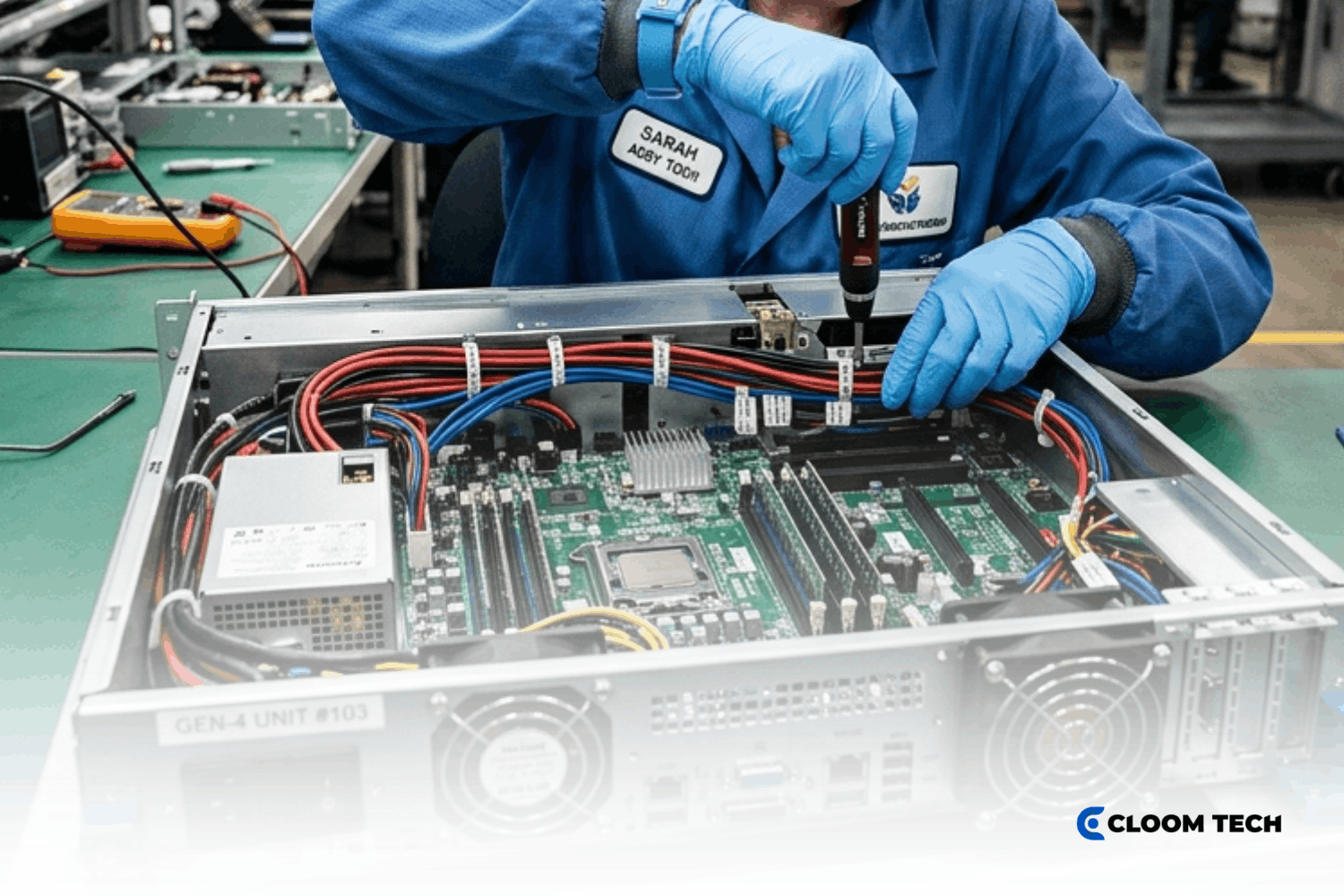
PCB assembly builds and tests populated circuit boards, while box build integrates those boards into complete products with enclosures, wiring, firmware, and system testing. Understanding both helps choose the right manufacturing partner and avoid delays.
-
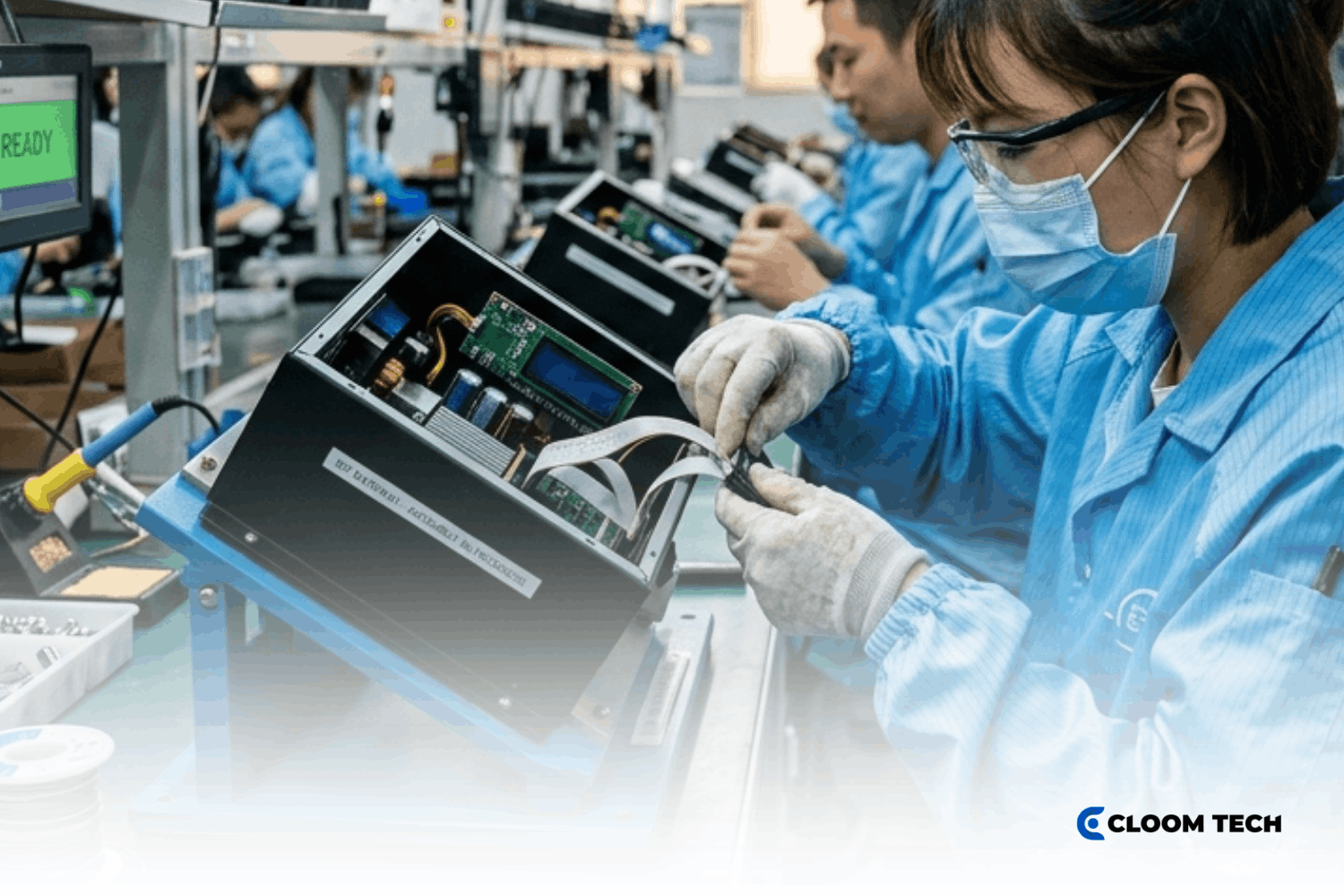
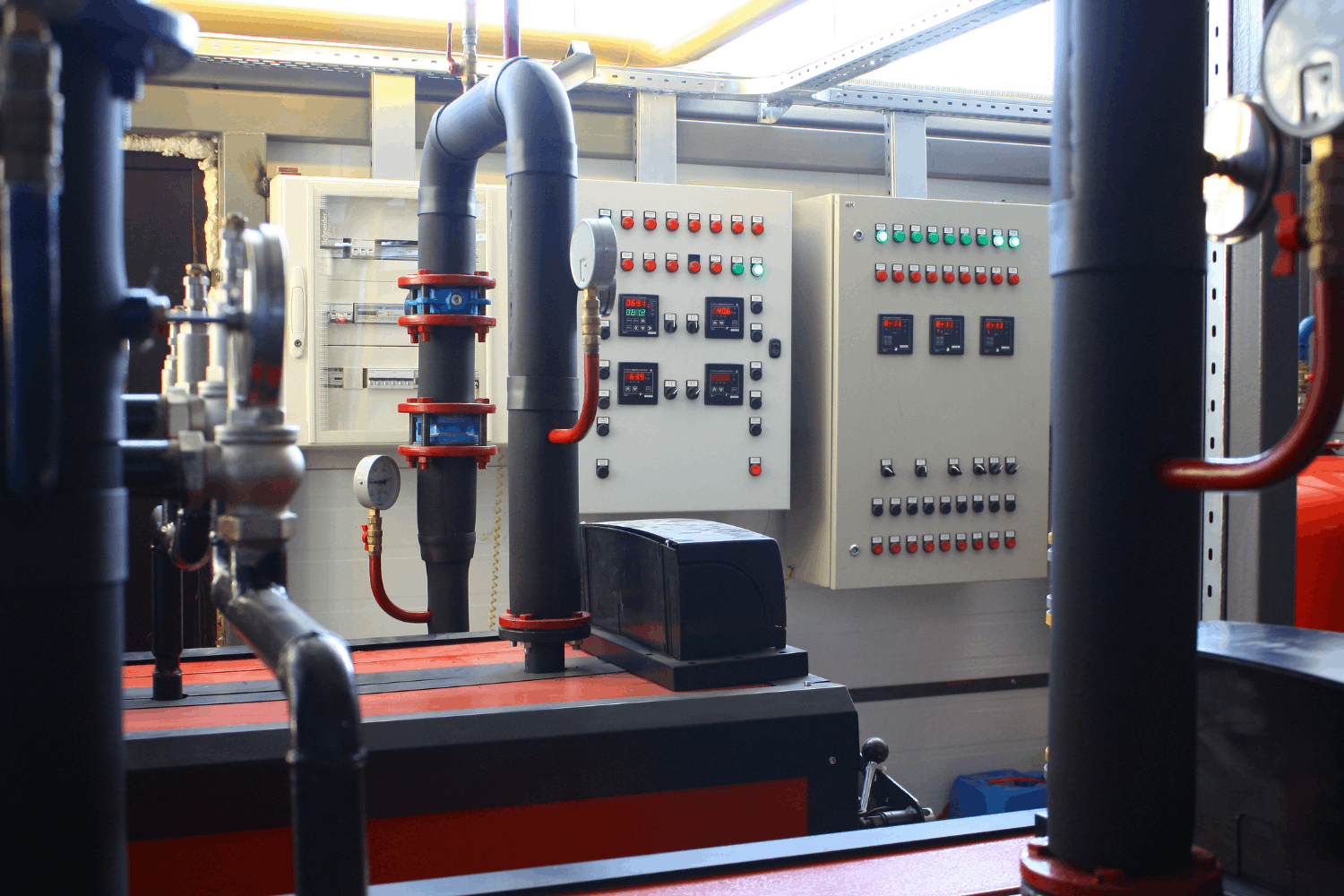
Compare box build assembly manufacturers on certifications, locations, scale and testing practices before you choose a manufacturing partner. This guide does not rank suppliers.
-
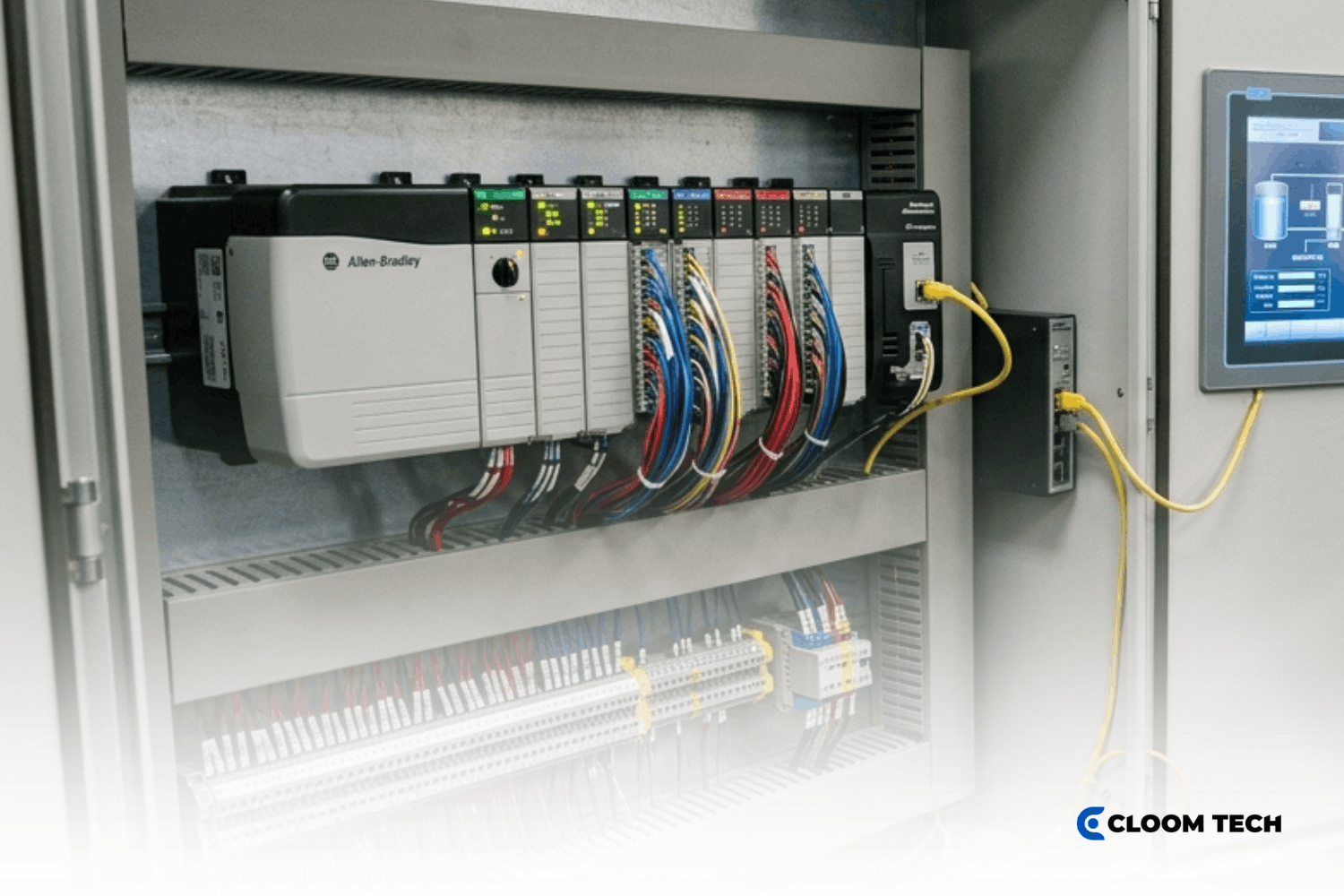
Compare US control panel manufacturers on certifications, facilities and scope before you choose a supplier. This guide does not rank suppliers.
-
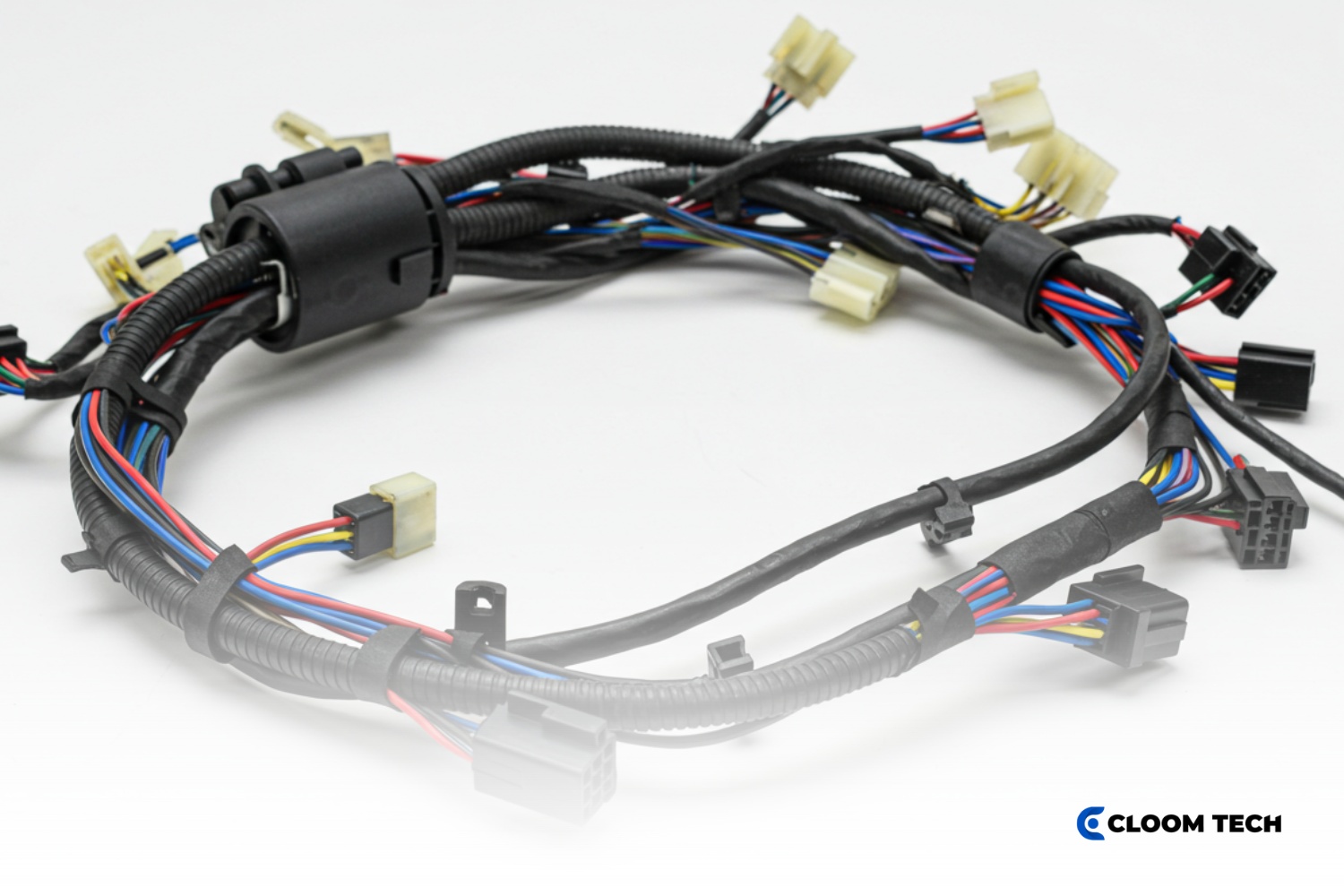
PLCs provide rugged, deterministic control for reliability and long lifecycles, while PC-based systems offer flexibility, software integration, and scalability. Choice depends on cost, complexity, and application needs; hybrid setups often combine both strengths.
-
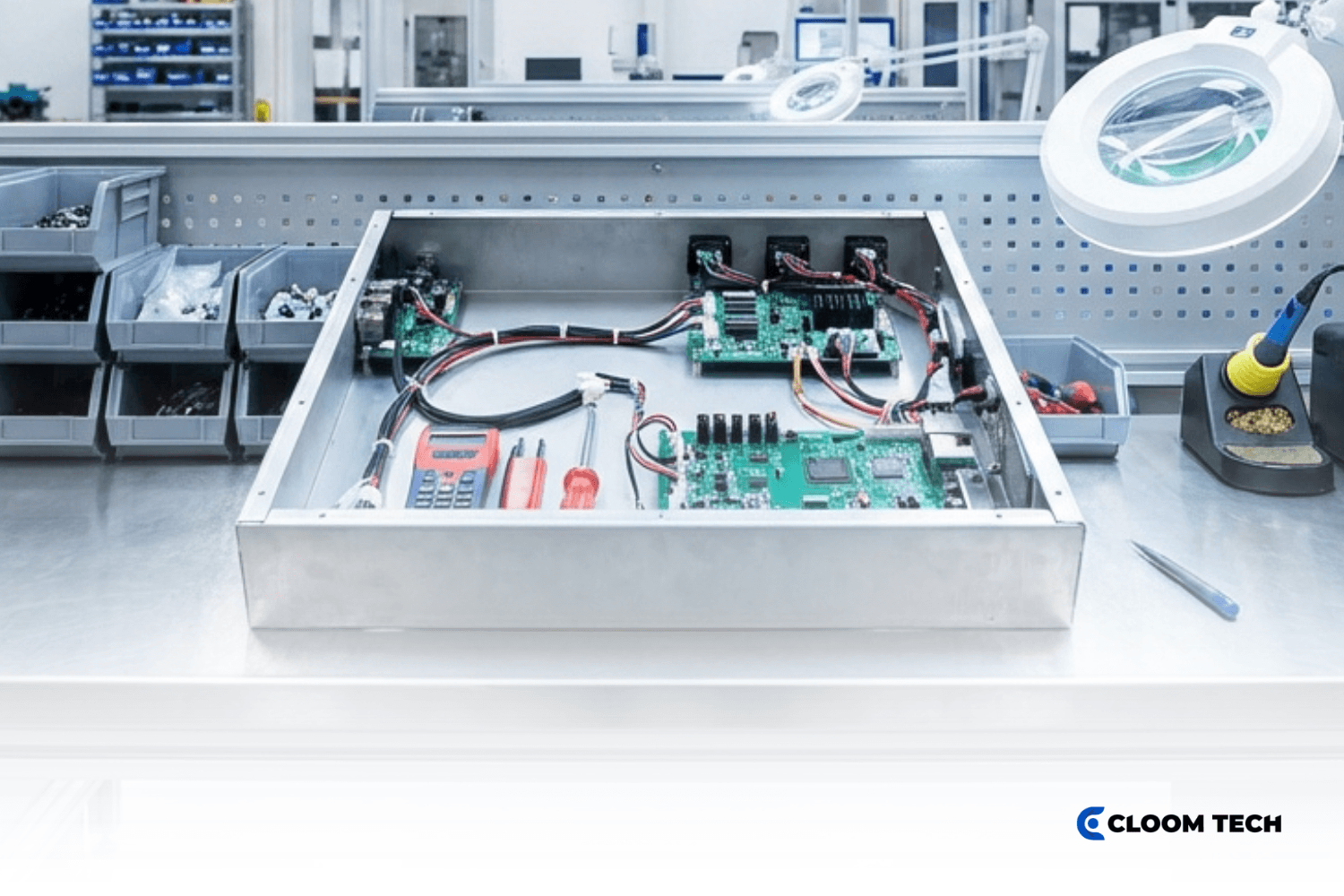
A wire harness is a bundled assembly of electrical wires, connectors, and cables used to transmit electrical power and signals between components in a larger electrical system. Also called an electrical harness, cable harness, or wiring assembly, this organized routing system keeps wires grouped by function — making any electrical installation more efficient, safer, and faster to complete across vehicles, machines, and devices.
-
Box build assembly combines enclosures, populated PCBs, cable assemblies, and mechanical components into a fully functional system. This guide explains key elements, step-by-step processes, and testing methods that ensure performance, quality control, and system-level integration in complex electronic products.
-
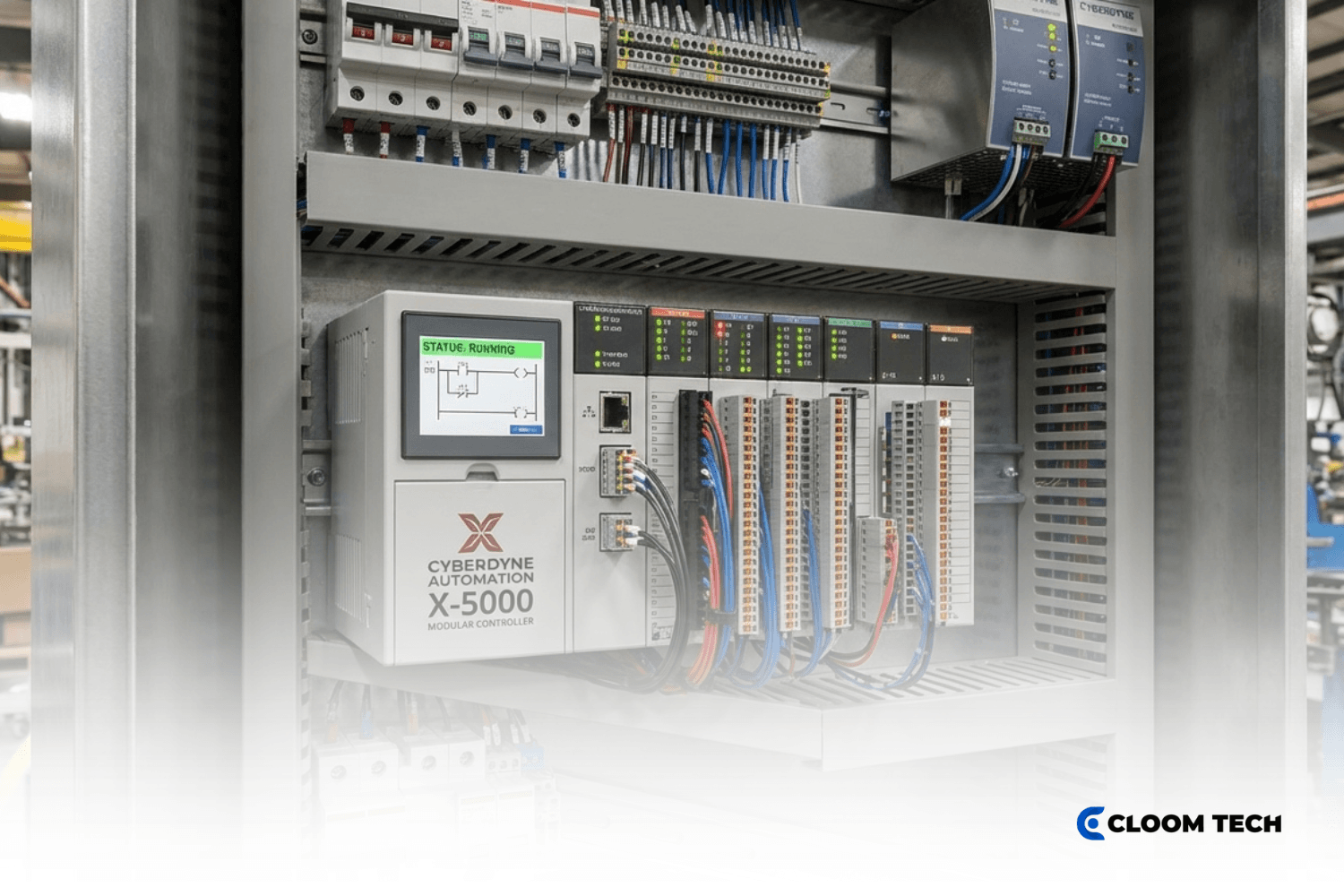
A PLC control panel integrates CPUs, I/O modules, power systems, and safety devices into a structured automation hub. This guide breaks down key components, electrical design principles, and wiring practices that ensure reliable performance, efficient signal processing, and long-term system stability in industrial environments.
-
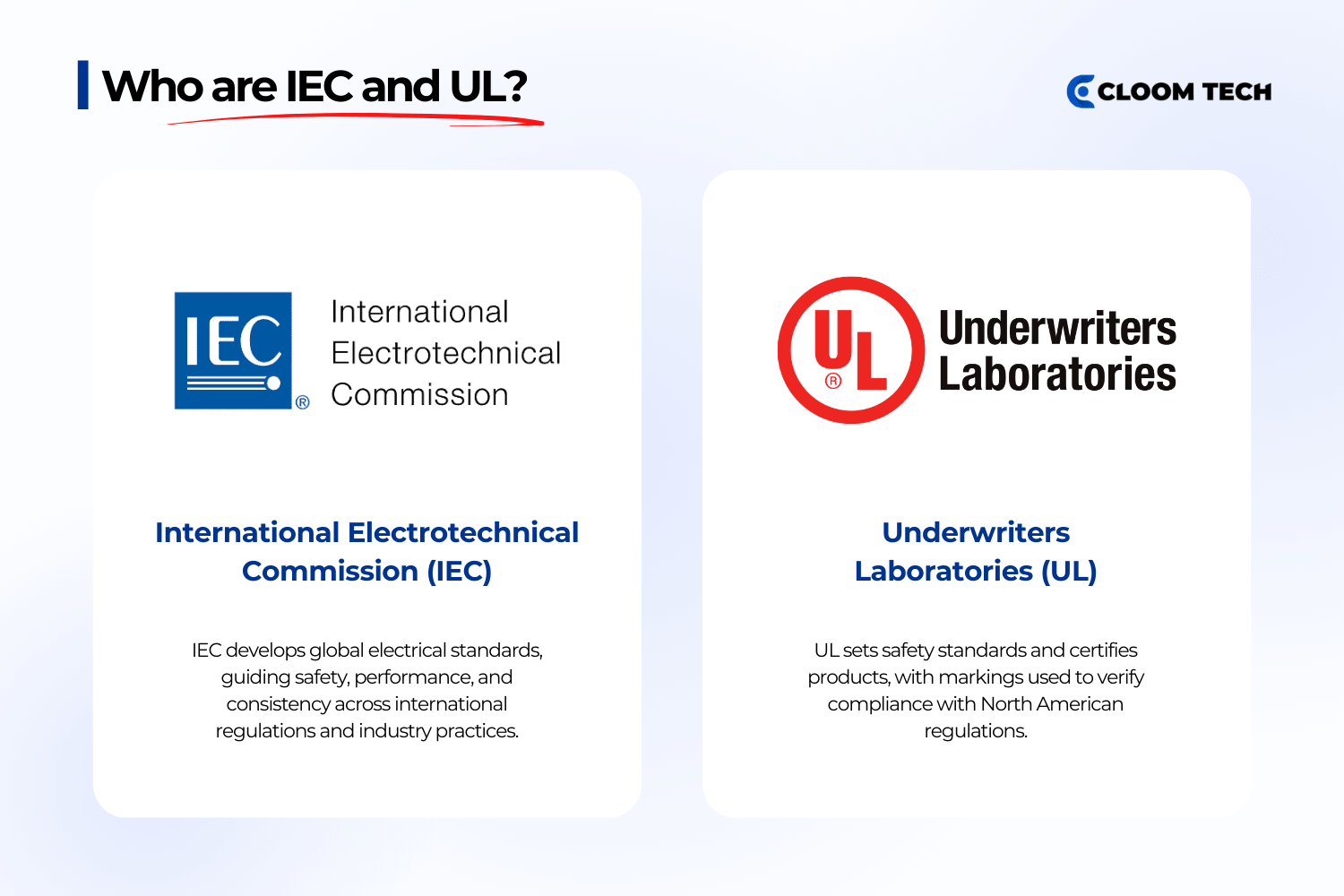
IEC and UL standards differ not just in scope, but in philosophy. IEC emphasizes performance-based testing and design flexibility, while UL focuses on prescriptive construction and safety requirements. This article explains how each approach impacts product design, certification, and regulatory approval across global and North American markets.
-
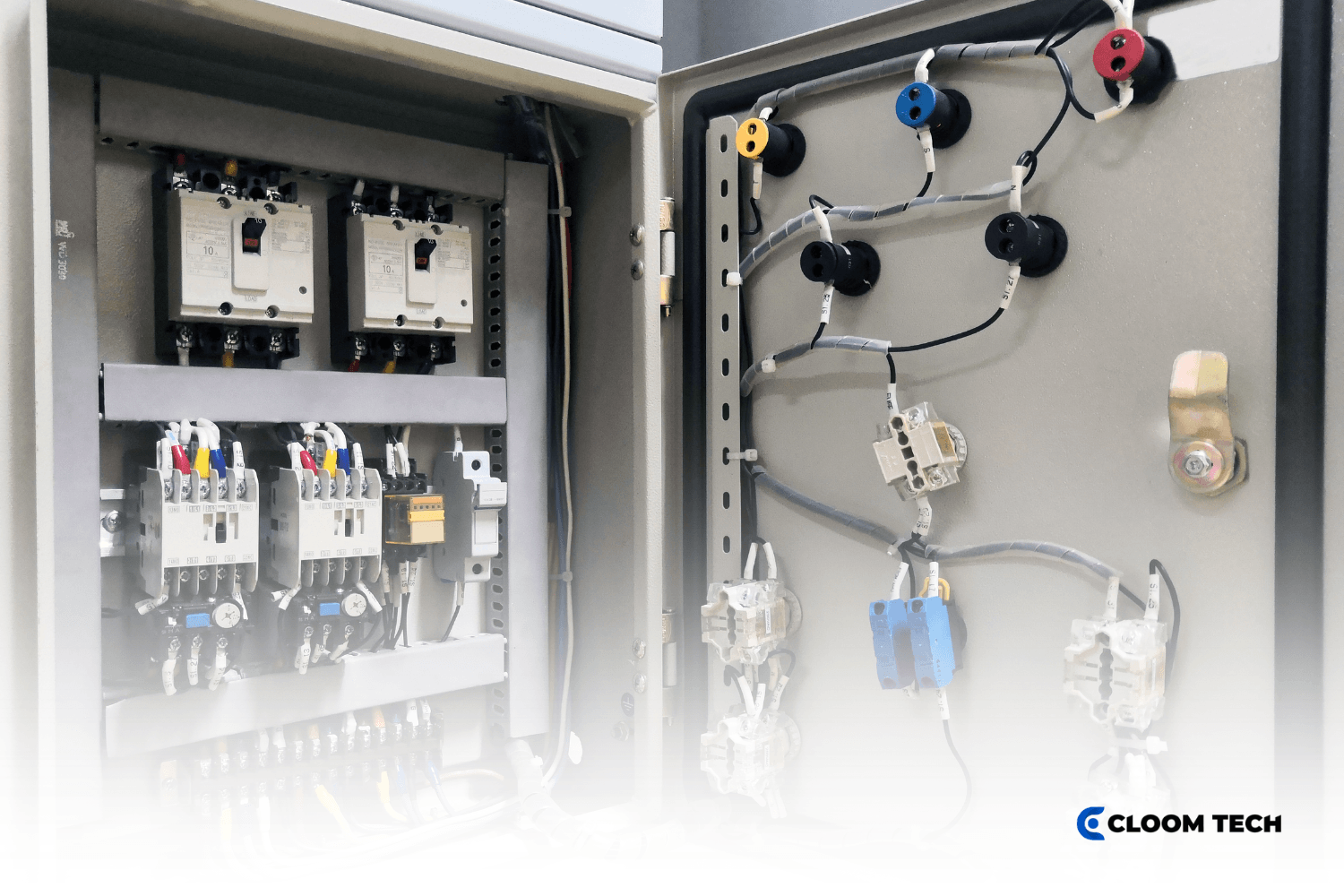
Compliance shouldn't be a late-stage hurdle that delays commissioning and triggers rework. A UL 508A certified panel shop builds compliance into every stage — from component selection and SCCR documentation to pre-shipment testing — so your industrial control panels pass inspection the first time and operate safely from day one.
-
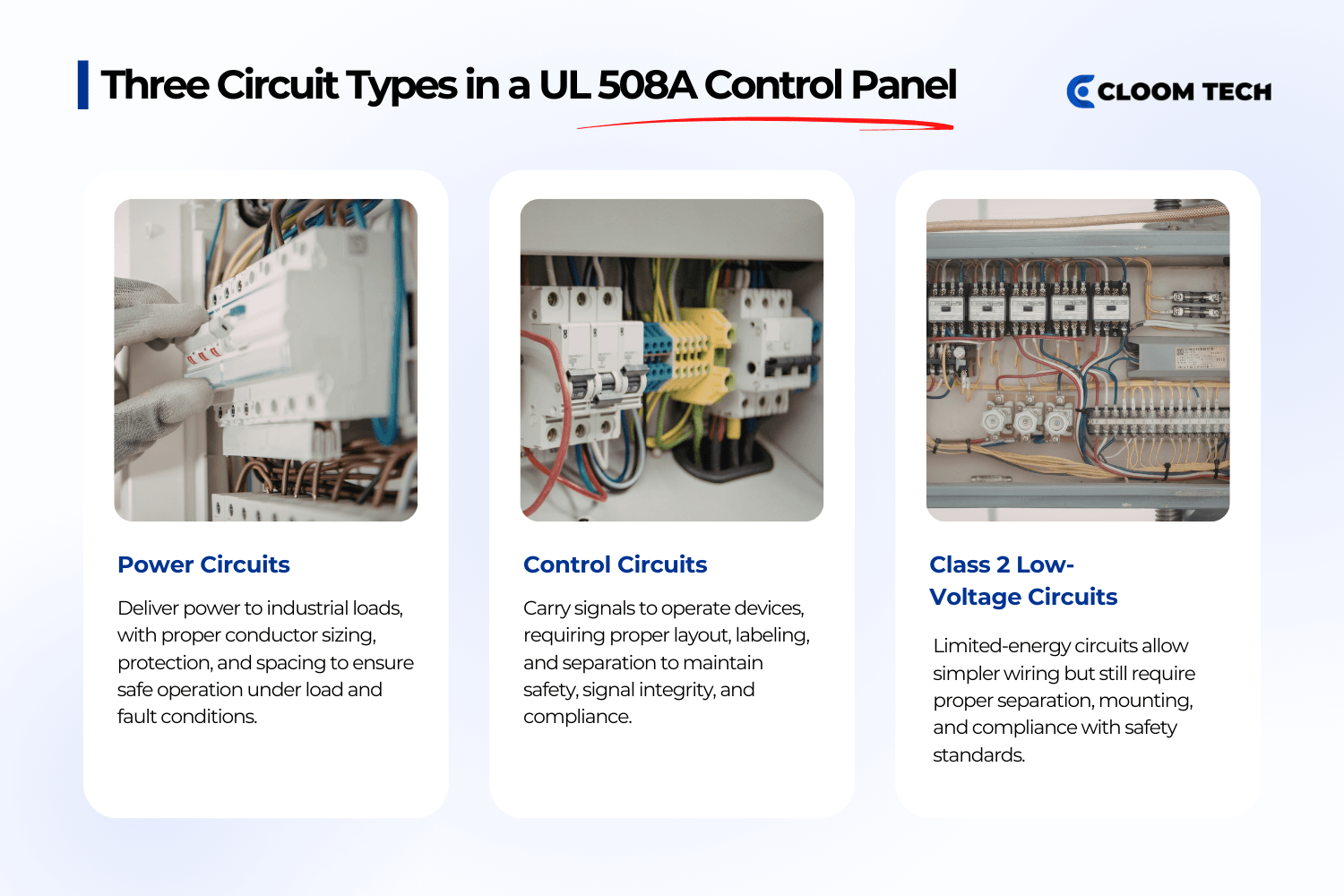
Poor electrical control panel design turns simple repairs into hours of troubleshooting — crowded wiring, missing labels, and heat buildup shorten equipment life and increase downtime. This guide covers the key design factors, from circuit separation and thermal management to wiring layout and UL 508A compliance, that keep panels safe, serviceable, and reliable long-term.